

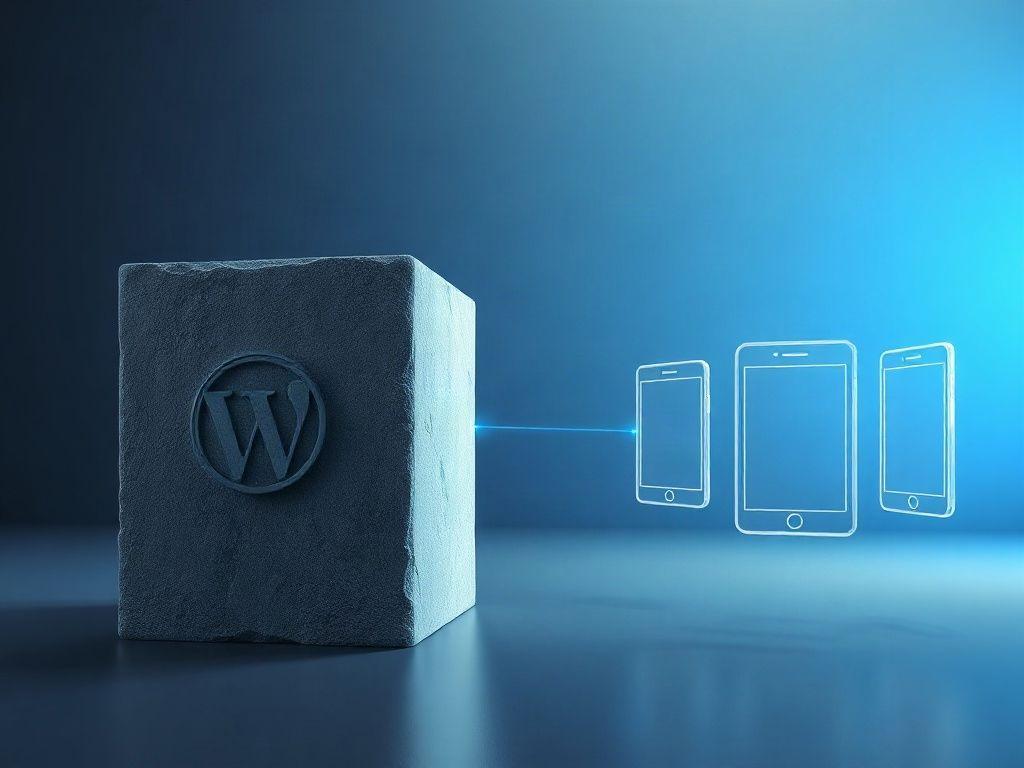
Traditional WordPress architecture has powered the web for decades, but enterprise-level requirements often demand more flexibility than a monolithic system can provide. Decoupled or Headless WordPress is the strategic choice for organizations that need to deliver content across multiple platforms while maintaining the familiar editing experience of the world most popular CMS.
Understanding the Decoupled Approach
In a headless configuration, WordPress acts strictly as a content management system. The frontend, or the head, is removed and replaced with a custom-built application using modern frameworks like React, Vue.js, or Next.js. Communication between the two layers happens via the WordPress REST API or GraphQL. This separation is the foundation for numerous Headless WordPress benefits that directly impact business scalability.
Superior Performance and SEO
One of the primary Headless WordPress benefits is the dramatic increase in page load speeds. Traditional WordPress sites rely on server-side rendering which can become slow as the database grows. By using a decoupled architecture, developers can leverage Static Site Generation. This means pages are pre-rendered into lightweight HTML files that load almost instantly, significantly improving Core Web Vitals and search engine rankings.
Enhanced Security Posture
Security is a critical concern for enterprise organizations. In a headless setup, the WordPress backend is effectively hidden from the public internet. Since the frontend is a separate application, there is no direct path for attackers to exploit common WordPress vulnerabilities like SQL injections or plugin exploits. This separation of concerns creates a smaller attack surface and allows for more robust firewall configurations.
Omnichannel Content Delivery
Enterprise scale often means reaching users beyond a simple browser. A headless architecture allows you to:
- Push content to mobile apps, IoT devices, and smart displays from a single source.
- Centralize content management for multiple regional websites.
- Integrate seamlessly with third-party enterprise tools and microservices.
When to Make the Switch
You should consider moving to a headless architecture if your project requires ultra-high performance, custom user experiences that go beyond standard themes, or if you need to serve content to various digital touchpoints simultaneously. While it requires a more specialized development team, the long-term advantages in flexibility and security are substantial.
Conclusion
Headless WordPress offers the best of both worlds: a world-class content editing interface and a cutting-edge frontend delivery system. For enterprises looking to future-proof their digital presence, embracing a decoupled architecture is no longer just an option but a competitive necessity.