

logo
  • Projects
  • Articles
logo
  • Projects
  • Articles
Youssef Wael logo

Front-End development and UI engineering with a focus on performance, clarity, and conversion.

Navigation

  • Home
  • Projects
    Front-endReact.jsNext.jsUI/UXWordpress
  • Articles
    FrontendBackendWordPressArtificial IntelligenceDevOps & HostingBusiness & TechDev Tools
  • Services
  • About
  • Contact

Social

©

© 2026 Youssef Wael. All rights reserved.

Beyond Basic Caching: Implementing Multi-Level Cache Strategies for High-Performance Backends
Backend

Beyond Basic Caching: Implementing Multi-Level Cache Strategies for High-Performance Backends

A technical deep-dive into architecting a multi-level caching strategy using CDN, Redis, and database query caching for low-latency systems.

August 22, 2026
Share

In modern, high-traffic systems, single-layer caching is rarely sufficient. To achieve sub-millisecond latency, you must implement a robust multi-level caching backend strategy that orchestrates data flow across the infrastructure.

1. Edge Layer (CDN Caching)

CDN caching serves as your first line of defense. By pushing static assets and frequently accessed API responses to the network edge, you drastically reduce origin server load. The key is implementing intelligent Cache-Control headers and stale-while-revalidate policies to ensure freshness without sacrificing performance.

2. Application Memory Layer (Redis)

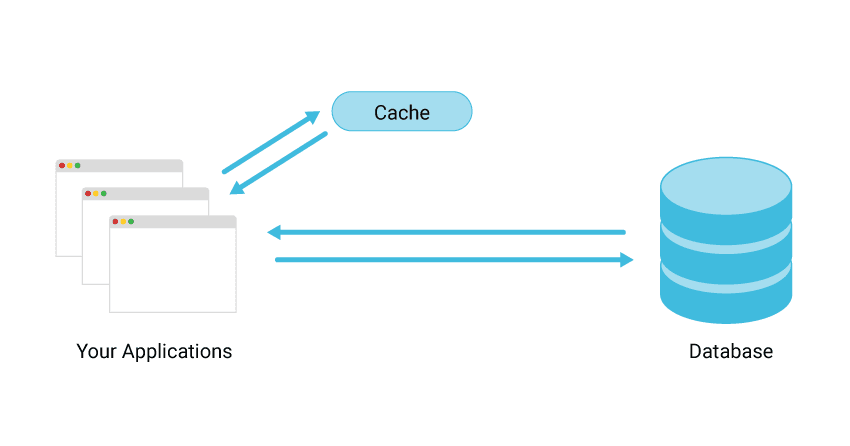
Redis is the engine of high-performance backends. Instead of hitting the database for every request, offload read-heavy data into a distributed cache. Use the 'Cache-Aside' pattern to maintain efficiency, ensuring that the application logic only populates the cache when a cache miss occurs. For complex objects, leverage Redis data structures like Hashes or Sorted Sets to minimize serialization overhead.

3. Database Layer (Query Caching)

At the database level, rely on query caching or materialized views for expensive, repetitive operations. By caching the result sets of complex JOINs, you prevent the database from becoming a bottleneck during traffic spikes. Ensure your ORM is configured to handle cache tagging to make invalidation granular.

Orchestration and Consistency

The true challenge of a multi-level caching backend is cache invalidation. When data changes, you must ensure consistency across all layers. Implementing an event-driven architecture using a message broker like Kafka allows you to broadcast invalidation events, ensuring that the CDN, Redis, and database layers stay synchronized in real-time.

By layering these strategies, you create a resilient architecture that absorbs traffic surges without increasing latency. This multi-tiered approach ensures that your backend remains performant, scalable, and responsive, regardless of the load.

Related articles

Essential API Security Best Practices for 2024

Essential API Security Best Practices for 2024

August 22, 2026

Learn how to protect API endpoints in 2024 against BOLA attacks, abuse, and overload with practical rate‑limiting and authorization strategies.

Microservices vs Monolithic Architecture: A Comprehensive Guide for Scalable Software Development

Microservices vs Monolithic Architecture: A Comprehensive Guide for Scalable Software Development

August 22, 2026

Discover the core differences between microservices and monolithic architectures, and learn how to choose the right pattern for your software project based on team size and growth goals.

MongoDB vs SQL: Key Differences and Which Database to Choose

MongoDB vs SQL: Key Differences and Which Database to Choose

August 13, 2026

Discover the key differences between MongoDB and SQL databases, including data structure, scalability, performance, relationships, and the best use cases.

What is Express.js? How It Works and Why It Became the Most Popular Node.js Framework

What is Express.js? How It Works and Why It Became the Most Popular Node.js Framework

July 31, 2026

Learn what Express.js is, how it works, and why it's the most popular framework for Node.js. Discover its features, benefits, middleware, routing, and why developers use it to build fast and scalable web applications and REST APIs.

What is Appwrite? The Fast Way to Build a Complete Backend for Modern Applications

What is Appwrite? The Fast Way to Build a Complete Backend for Modern Applications

February 8, 2026

Appwrite is an open-source Backend-as-a-Service (BaaS) platform everything you need to build a powerful backend without dealing with complex server setups.